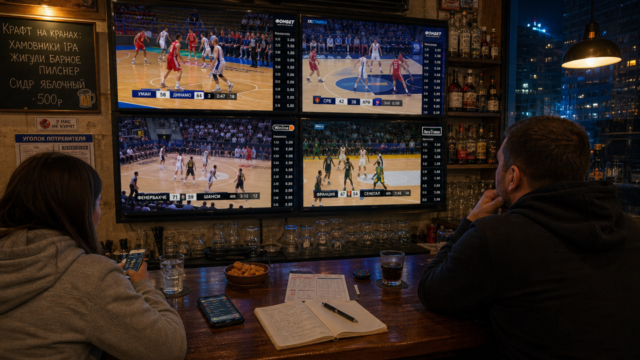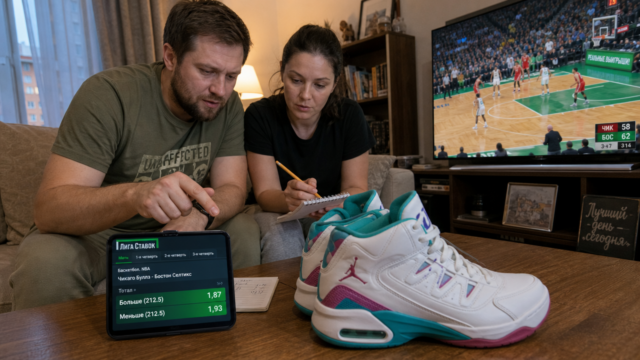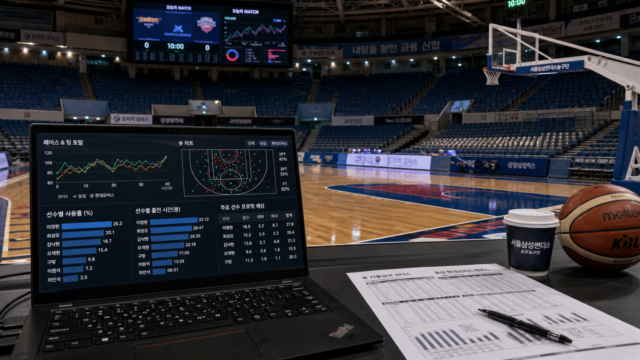

Basketball betting covers match outcomes, handicaps, totals, exact scores, quarter markets, live bets and player statistics. The strongest choices come from comparing team data, rotations, pace and current odds rather than relying on a broad narrative.
Basketball Handicap Betting: Point Spread Value and Rotation Risk
A basketball handicap bet adjusts the final score by a set number. A negative handicap of -5.5 requires a team to win by six or more. A positive handicap of +5.5 wins if the team wins outright or loses by five points or fewer. Fractional handicaps eliminate pushes, while integer handicaps return the stake when the adjusted score is tied. A zero handicap returns the stake on a tie and wins with overtime if the team prevails.
Handicap markets can offer value when the line does not reflect injuries, rotations or recent pace. The range is often wide because basketball produces many points. Compare the handicap with the match-result market and avoid forcing a bet when the price does not compensate for the risk.
Basketball Total Betting: Pace, Bench Depth and Thresholds
Totals require a prediction about the combined number of points scored over or under a bookmaker line. European totals settle as a win or loss, while Asian totals can return the stake or produce a partial result. For example, an Asian total of 231 returns the stake if exactly 231 points are scored.
Pace, shooting efficiency, bench depth and player availability all affect a total. Starting lineups can support a higher pace, while second-unit rotations may slow the game or reduce scoring efficiency. Check whether the line has already moved after injury news before taking an over or under.
Asian quarter-lines such as 1.25 split the stake between two nearby totals. This structure can reduce the impact of an exact landing point but does not remove the underlying risk.
Basketball Quarter Betting: Q1 Predictability and the Underdog Quarter Chase
Quarter betting isolates a 10- to 12-minute segment. Q1 can be easier to assess because the regular starters are usually on the court and the opening game plan is fresh. Q2 often depends more on bench rotations and accumulated fouls. Q3 can produce a high-scoring stretch after halftime adjustments, while Q4 depends heavily on the score gap and late-game rotations.
Quarter markets can create opportunities when a favorite rests players after building an early lead or when the odds fail to reflect bench depth. Compare each team’s pace, quarter scoring and defensive performance before choosing a handicap or total.
The underdog quarter chase that doubles stakes after each lost quarter is a bankroll risk, not a data edge. Increasing the stake does not raise the probability of winning the next quarter above the posted odds.
| Quarter | Main factor | Betting focus |
|---|---|---|
| Q1 | Full-strength starters and the opening plan | Compare first-quarter pace and defensive form |
| Q2 | Bench players and accumulating fouls | Check rotation depth and quarter totals |
| Q3 | Halftime adjustments | Assess pace and scoring trends |
| Q4 | Score gap and late rotations | Avoid relying on pregame assumptions |
Live Basketball Betting: Score Flow and Rotation Punishment
Live basketball betting updates odds after baskets, timeouts and changes in momentum. A team’s second unit may become a liability when key starters leave the court, making live markets sensitive to rotation patterns.
A strong scoring run can push the live total several points higher within a short period, removing the value from an over bet. Wait for the market to account for the run, then compare the new number with the expected pace and remaining rotations.
Live team totals can also become attractive when a leading scorer rests or when the offense loses efficiency without its primary ball-handler. Enter only when the live number has not already moved beyond the original edge.
The One-Bet Framework for Basketball Bettors
A profitable single basketball bet requires a closing-line edge and a clear sample size, not a broad team narrative. Compare available odds, assess the handicap or total against current data, and account for injuries, rotations and game intensity.
The best single-bet approach is to choose one market that remains supported after lineup news and price movement. If the handicap no longer reflects the data or the total has moved past the value point, pass rather than force a selection.