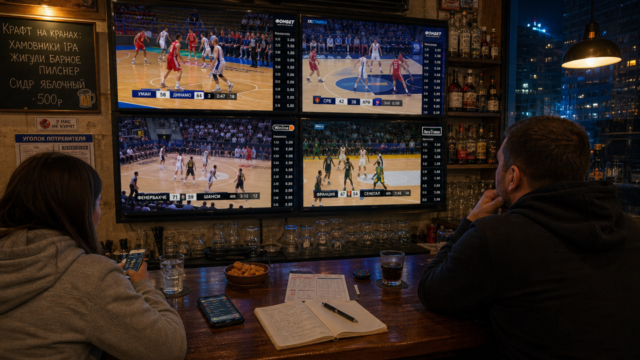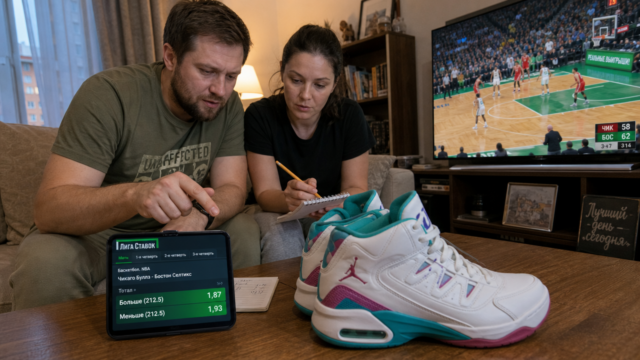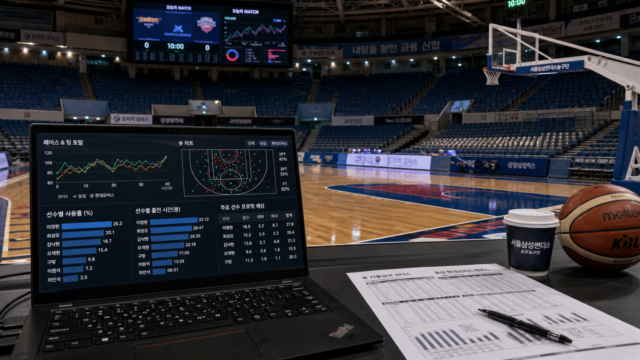
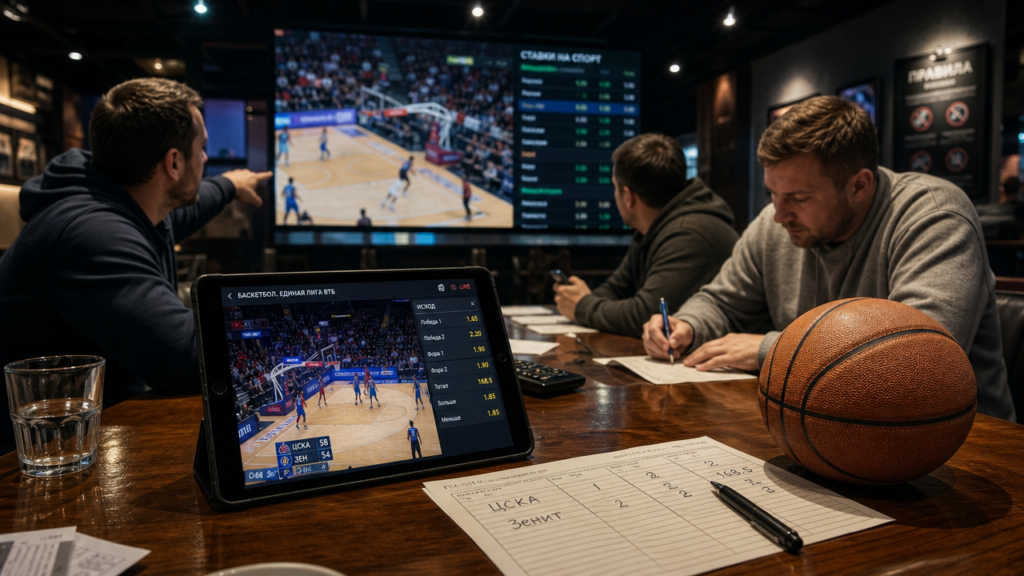
Basketball betting covers handicaps, totals, match results, even-odd markets, and scoring statistics. The sport’s fast pace creates frequent changes in odds, especially during live play. Useful analysis starts with team form, injuries, roster changes, motivation, and underdog performance.
How the Handicap Works in Basketball Betting
A basketball handicap adjusts a team’s score before the market is settled. A negative handicap reduces the favorite’s starting margin, while a positive handicap gives the underdog an advantage. At -5.5, the favorite must win by at least six points. At +5.5, the selected team can win or lose by five points and still cover.
F1 or F2 identifies the team listed in the market, followed by the handicap number. Fractional handicaps, such as -5.5 or +5.5, prevent a return because the final margin cannot match the line exactly. A zero handicap returns the stake if the game ends level after the relevant settlement rules are applied. Integer handicaps can produce a win, a loss, or a return.
How to Place Bets on Basketball and the Point Spread Market
Choose the market, select the team or outcome, and compare the available odds. Common options include match result, totals for the game or a quarter, handicaps, and scoring statistics. Live odds can move quickly, so the price may change between analysis and placement.
Flat staking uses the same fixed amount for each wager and helps limit the effect of a losing run. Bankroll management matters more than increasing stakes after losses. A progressive approach that doubles the next stake can quickly increase exposure, so it carries substantially more risk than a flat plan.
Match-result analysis can include recent form, injuries, motivation, roster changes, and performance against similar opponents. Head-to-head records and underdog statistics may also help, but neither provides a guaranteed outcome.
Patterns in Basketball Betting: Totals and Even-Odd Markets
Several common approaches focus on recurring market patterns:
| Market or approach | Main factors to assess |
|---|---|
| Match result | Form, injuries, motivation, and roster news |
| Handicap | Expected margin and the selected line |
| Total | Pace, scoring trends, and odds movement |
| Even-odd score | Whether the final score is likely to be even or odd |
| Quarter markets | Early pace, team starts, and rotation patterns |
Totals can be assessed through scoring pace, recent results, and changes in the odds. Some bettors look for corridors, where the expected total falls within a defined scoring range. Even-odd betting is simple to understand, but its simplicity does not make the outcome predictable.
Basketball games are divided into four quarters, usually lasting 10 or 12 minutes depending on the competition. Five players from each team are on the court, substitutions are unlimited, and overtime is used when the score is level. Teams can score one, two, or three points, with free throws awarded in specific foul situations. These rules help explain why pace, foul trouble, and late-game rotations can affect totals and handicaps.
Live Betting in Basketball
Live betting can offer new information after the game begins. Later-quarter markets may be easier to assess once the pace, rotations, and shooting performance are visible. Bettors may also monitor an underdog’s performance before considering a switch toward the favorite if the game changes direction.
Roster changes and foul trouble can alter a team’s defensive strength and scoring potential. A team that loses a key player may struggle to maintain its pace, while a favorable matchup can improve its chances of covering a handicap. These situations require updated odds and a clear staking limit rather than an automatic reaction.
No basketball betting strategy guarantees a profit. Flat staking, careful market selection, and attention to form and team news can help control risk, while large accumulators and aggressive loss-recovery systems can magnify it.